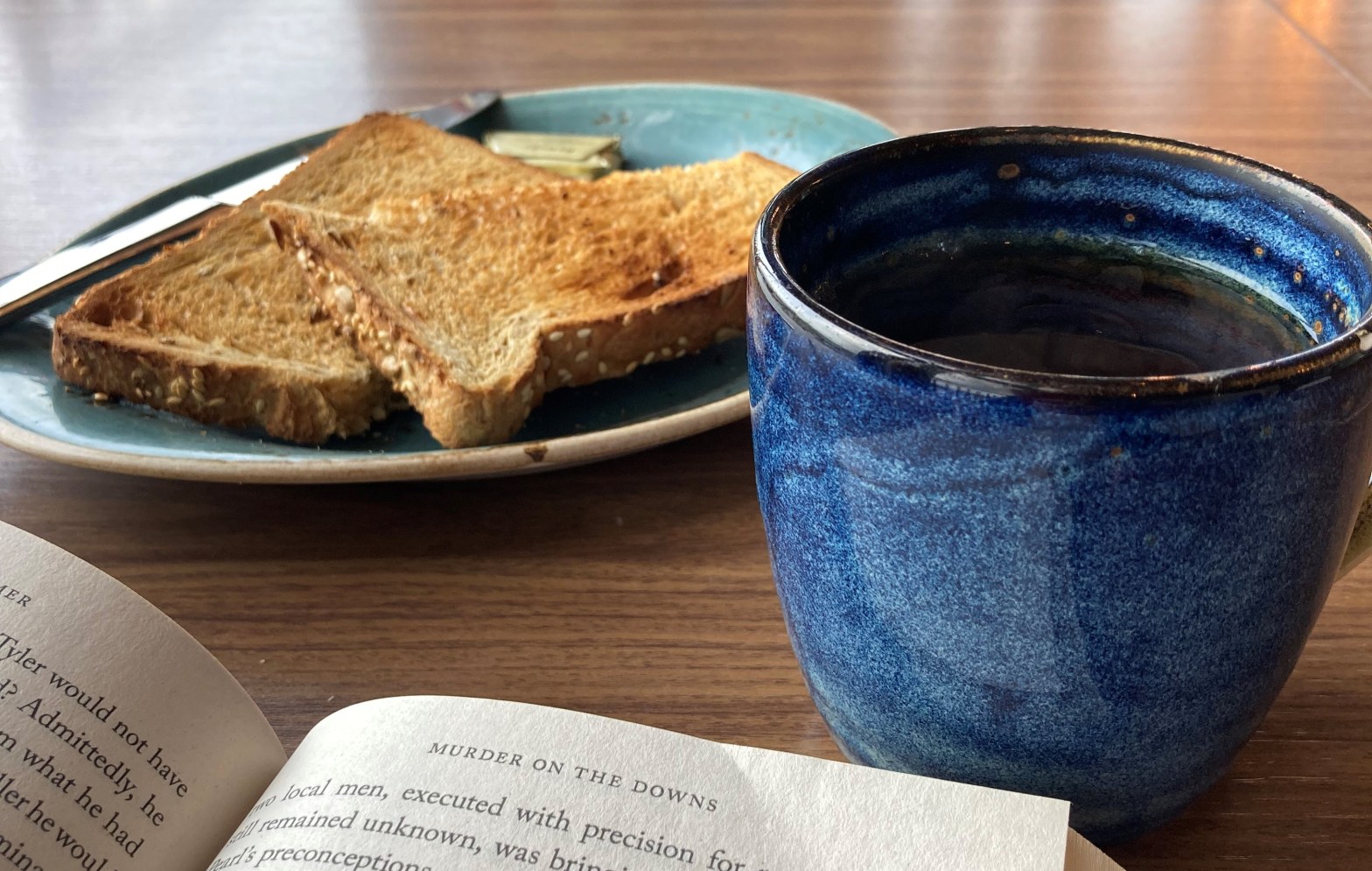
“Self-care” is a term that I hear bandied about regularly. At times of stress, the advice seems to be “increase self-care” and you will be grand or at least able to cope with the stress in a better way. But what actually is self-care? In this blog, I will attempt to unravel the topic – with a little help from the Psychologies magazine.
Let’s start with a definition.
Self-care is anything you can do to take care of yourself so you can stay physically, mentally and emotionally well.
Everyday Health
So it is not about self-indulgence or being selfish. In reality, it is about doing things that help you to live a fuller and happier life.
There are actually six different aspects of self-care – emotional, physical, practical, mental, social and spiritual. The lines can be blurred between the elements with some activities encompassing a number of elements eg going to church could be spiritual, mental and social.
Emotional Self-Care
This is about performing activities that help you to reflect upon your emotions. This could range from attending a therapy session with a counsellor, journaling, playing or listening to music, photography or creative art.
Physical Self-Care
As the heading suggests, this is concerned with doing activities that improve or maintain your physical health such as swimming, walking, running, pilates, eating a healthy diet, getting enough sleep or treats such as my monthly seaweed bath in Newcastle which assists with detoxification. I’m a big fan of walking especially in nature, whether that is in a park, a forest or by the seaside. A daily 30 minute walk can do wonders for both your mental and physical health. I’m trying to spend less time on my mobile phone, especially in the evenings as the “blue light” it emits can interfere with a good night’s sleep.
Practical Self-Care
This is about tasks that are essential in everyday life which prevent stressful situations from arising. This is about keeping the laundry under control, shopping for things before they run out (eg having spare washing-up liquid in the cupboard) and doing your tax return in the summer instead of starting it on the deadline of 31st January. In other words, stop procrastinating and do things in advance instead of having a last-minute panic. It will give you a sense of achievement and a feeling that you are under control in your life rather than feeling overwhelmed as if you are “running around like a headless chicken”. Remember to say “no” to requests or situations which could add to your stress.
Mental Self-Care
In short, this aspect is about doing something that stimulates your mind. Reading a book is a good example as you have to work hard to remember details about the main characters as well as keeping track of the storyline. Visiting a museum or art gallery can also stimulate the mind and not forgetting puzzles such as a crossword, a sudoku or a jigsaw. Board games would fit under this heading – Ticket to Ride is a favourite in our house and it really stimulates the mind even if I lose as I usually do. Finally if you really want to push the boat out, you could take up blogging and start to blog regularly about a subject that is close to your heart.
Social Self Care
Here we think about activities that strengthen relationships in your life such as meeting a friend for a coffee, shopping or rambling, being part of a group (eg a sewing class) or picking up the phone to talk to someone on the phone. Does social media count as social self-care? I don’t think so as a lot of time I spend on social media is simply scrolling and liking an occasional post. It certainly doesn’t lead to strengthening meaningful relationships in the same way as a face-to-face conversation with a friend does.
Spiritual Self Care
These are activities that give you a connection to your faith eg attending a church service, listening to praise music or reading the Bible.
It’s not always easy to prioritise self-care as there are so many other demands on our time but you will feel better when you do. Try to make time every day for self-care if you can. It may be as simple as doing a crossword or reading another chapter of your book instead of doom-scrolling on Facebook or Twitter. Keep your journal close by so that you can share your feelings of gratitude when you get a chance or alternatively, you could use the notes app on your mobile phone. Everyone’s interpretation of self-care will be different but as long as it brings you sustained joy in the long run then it’s self-care.
I hope you enjoyed this blog and I’d love to hear about your self-care habits in the comments section below.

The Author
Lynda Willis lives in Co Armagh and writes blogs about her rambles in nature as well as rambling about topics close to her heart.

Great tips in your blog Lynda. You have shown so comprehensively that there is a lot to think about when it comes self care especially when you consider all six aspects.
Great food for thought! Thank you
LikeLike
Thanks for your kind words Siofra. I really need to put this into practice a little more for myself! Lynda
LikeLike
Really interesting blog Lynda! So much common sense and a reminder to make a conscious effort to take care of ourselves holistically.
Thank you!
LikeLike
As mummies, it’s important to keep up our self-care so that we can keep up with our caring responsibilities at home. LW
LikeLike